Flexible lab work schedules, including part-time, remote, and compacted weeks, are revolutionizing scientific research and healthcare in Akron, Ohio. These arrangements improve employee satisfaction, productivity, and retention in roles like ultrasonography technicians and forensic science specialists. Key benefits include enhanced resource utilization, better work-life balance for students, and diverse skill accommodation without compromising coverage. Implementation requires meticulous planning, digital integration, personalized learning, and open dialogue between management and staff. These trends support the growth of Akron's biotech sector and attract top talent to local institutions, ultimately enhancing academic offerings and economic development through Find Lab Work In Akron opportunities.
In today’s dynamic academic landscape, flexibility in lab work schedules is increasingly recognized as a key factor in fostering a productive and satisfied scientific community. The traditional rigid routines often fail to accommodate the diverse needs of researchers, hindering collaboration and innovation. This is particularly evident in vibrant research hubs like Akron, where Find Lab Work In Akron opportunities abound but scheduling constraints can stymie progress. To address this challenge, we delve into the benefits of flexible lab schedules, exploring how they promote a healthier work-life balance, encourage multidisciplinary collaboration, and ultimately enhance scientific discovery.
- Understanding Flexible Lab Work Schedules
- Benefits for Students and Institutions in Akron
- Implementing Flexible Hours: Practical Considerations
- Case Studies: Successful Flexibility In Lab Environments
- The Future of Lab Work Scheduling in Higher Education
Understanding Flexible Lab Work Schedules

Flexible lab work schedules are transforming the traditional scientific research landscape, offering both opportunities and challenges for institutions and researchers alike. Understanding this evolving paradigm requires delving into the benefits and considerations that drive its implementation. By examining real-world examples, such as successful flexible scheduling programs in renowned academic labs across Akron, Ohio, where lab safety courses are integral to training, we gain valuable insights. These initiatives often involve compacted workweeks or compressed schedules, allowing researchers to balance their professional commitments with personal responsibilities.
One prominent example is the increasing adoption of ultrasonography technician positions within medical research facilities. In Akron, for instance, numerous hospitals and clinics have embraced flexible scheduling to attract and retain skilled technicians. This approach not only enhances employee satisfaction but also improves productivity by enabling staff to work during peak hours when demand is highest. However, implementing such schedules demands meticulous planning and effective communication to ensure lab safety and operational continuity. Institutions must invest in comprehensive lab safety courses, like those offered locally in Akron, to educate staff on handling hazardous materials and adhering to strict protocols.
To maximize the benefits of flexible lab work, institutions should conduct thorough assessments to identify roles suitable for such arrangements. Certain tasks, particularly those involving specialized equipment or requiring constant attention, might not lend themselves well to flexible scheduling. For instance, while data analysis positions could easily adopt compressed schedules, hands-on research or clinical trials may necessitate more consistent staffing. Institutions should also foster an open dialogue with employees to gauge their preferences and address concerns regarding work-life balance. By carefully navigating these factors, labs in Akron can naturally find lab work that aligns with both organizational goals and individual needs.
Benefits for Students and Institutions in Akron

Flexible lab work schedules, such as part-time or remote options, offer significant advantages for both students seeking to balance academic demands with professional development and institutions aiming to attract and retain top talent in Akron’s burgeoning medical and biotech sectors. For students, finding lab work in Akron becomes a strategic move towards gaining practical experience alongside their studies, enhancing their resumes, and cultivating skills that are increasingly valuable in today’s competitive job market. This approach not only prepares them for future careers but also fosters a deeper understanding of the research and clinical trials happening right here in the Akron area.
Akron medical labs hiring and biotech companies employment opportunities are on the rise, driven by an expanding network of research institutions and clinical trial sites. Institutions benefit from flexible scheduling as it enables them to tap into a broader talent pool, including students who might not otherwise be available due to full-time studies or other commitments. This strategy diversifies their workforce, bringing in fresh perspectives and unique skill sets that can contribute to groundbreaking research. For instance, Akron’s growing reputation in biotechnology and clinical trials research has led to collaborations with prominent national institutions, further emphasizing the city as a hub for cutting-edge medical innovation.
Implementing flexible lab work schedules requires careful planning and coordination between academic departments, research teams, and the administration. Institutions can start by offering more part-time or project-based positions, allowing students to engage in meaningful research while managing their academic load. Additionally, establishing partnerships with local biotech companies for student internships or co-op programs facilitates real-world experience and strengthens industry connections. Such initiatives not only benefit individual students and institutions but also contribute to Akron’s overall economic and intellectual growth by fostering a vibrant ecosystem of medical and scientific research.
Implementing Flexible Hours: Practical Considerations

Implementing flexible lab work schedules requires careful consideration of operational needs, employee preferences, and patient care demands. For institutions like Akron Hospital Lab Jobs, offering adaptable hours can attract and retain skilled clinical laboratory science degree holders, enhancing overall productivity. According to recent studies, labs that adopt flexible scheduling report improved job satisfaction among staff and reduced turnover rates. However, this transition necessitates a strategic approach, especially in dynamic healthcare settings where urgent cases and staffing requirements fluctuate.
In Akron, ultrasonography technician schools and similar educational institutions can serve as models for successful implementation. These programs often prioritize student well-being, understanding that flexibility fosters better work-life integration, leading to more focused and productive professionals. By enabling employees to tailor their schedules around personal commitments or peak productivity periods, organizations can mitigate staffing shortages during non-traditional hours while ensuring consistent patient care.
Practical considerations include aligning flexible hours with clinical needs, employing technology for efficient scheduling, and fostering an open dialogue between management and staff. For instance, a lab might offer compressed workweeks or phased schedules, allowing employees to take longer breaks throughout the day instead of a traditional lunch hour. This approach requires sophisticated planning, especially when managing complex procedures like ultrasonography, ensuring adequate coverage during peak patient flow periods. Ultimately, finding Lab Work In Akron that suits both the organization and its workforce can significantly enhance overall laboratory operations.
Case Studies: Successful Flexibility In Lab Environments
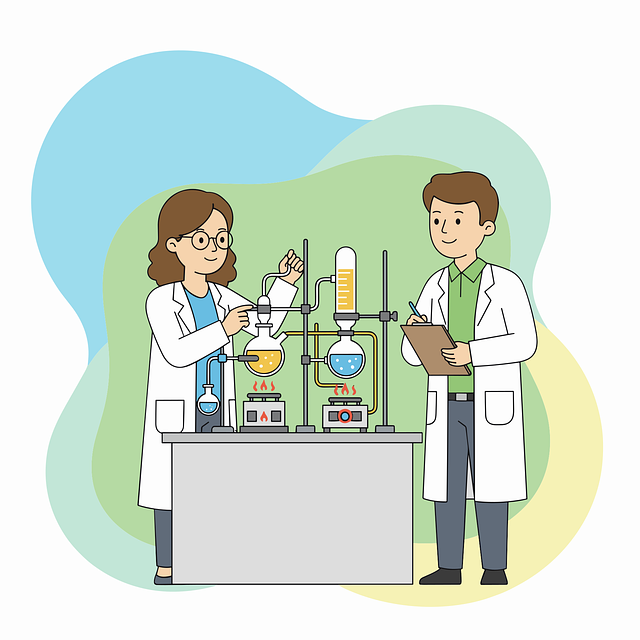
In modern scientific research and healthcare practices, flexible lab work schedules have emerged as a game-changer, allowing institutions to optimize resource utilization and attract a diverse talent pool. Case studies from various laboratories across Akron, Ohio, highlight successful implementations of flexible work arrangements, particularly in fields like ultrasonography technician schools, pharmacy tech programs, and forensic science careers. For instance, a renowned medical research facility in Akron adopted a dynamic scheduling system, enabling researchers to adjust their hours based on project demands. This approach not only improved employee satisfaction but also enhanced productivity during peak periods.
One of the key benefits observed is the ability to accommodate specialized skills without sacrificing coverage. In the case of forensic science careers in Akron Ohio, investigators often require specific expertise for complex cases, and flexible schedules allow them to collaborate with specialists from different institutions without disrupting ongoing investigations. This interconnected work environment fosters innovation and ensures that projects receive dedicated attention. Additionally, pharmacy tech programs in the area have reported higher retention rates among students who appreciate the flexibility to balance their studies with personal responsibilities, ultimately contributing to a more skilled workforce.
Implementing flexible lab schedules requires careful planning and communication. Laboratory managers should conduct needs assessments, considering factors like project timelines, staffing levels, and peak demand periods. For example, a laboratory performing regular ultrasonography procedures in Akron may find that extending evening hours during the week reduces wait times for patients while allowing technicians to maintain a healthy work-life balance. By analyzing data on patient volumes and staff availability, managers can create dynamic schedules that maximize efficiency without compromising employee well-being.
The Future of Lab Work Scheduling in Higher Education

The future of lab work scheduling in higher education is shifting towards more flexible models, driven by evolving student needs, advancements in technology, and the dynamic nature of scientific research. This shift presents a unique opportunity for institutions like those in Akron to optimize their academic offerings and attract diverse talent in fields such as phlebotomy certification classes and emerging biotech start-ups hiring locally. By implementing innovative scheduling strategies, universities can better accommodate part-time students, working professionals seeking advanced degrees, and individuals involved in clinical trials research across the Akron area.
One key trend is the integration of digital tools for efficient lab management. Online scheduling platforms and virtual classrooms enable real-time collaboration and access to resources regardless of physical location. This is particularly beneficial for the Akron biotech sector, where researchers often collaborate on cutting-edge studies. For instance, universities can facilitate remote participation in clinical trials, expanding opportunities for students and professionals while ensuring compliance with strict research regulations. Moreover, digital scheduling allows for dynamic resource allocation, optimizing lab space utilization and reducing costs associated with maintaining large, underutilized facilities.
Personalized learning plans tailored to individual student needs are another critical aspect of the future of lab work scheduling. Flexible schedules accommodate part-time students pursuing multiple responsibilities, enabling them to complete their coursework at times that align with their unique circumstances. This approach not only enhances accessibility but also fosters higher retention rates and academic success in programs like Akron’s phlebotomy certification classes. By offering flexible lab hours and integrating practical, hands-on training into online platforms, educational institutions can prepare students effectively for the dynamic nature of healthcare and biotech industries thriving in the region.